
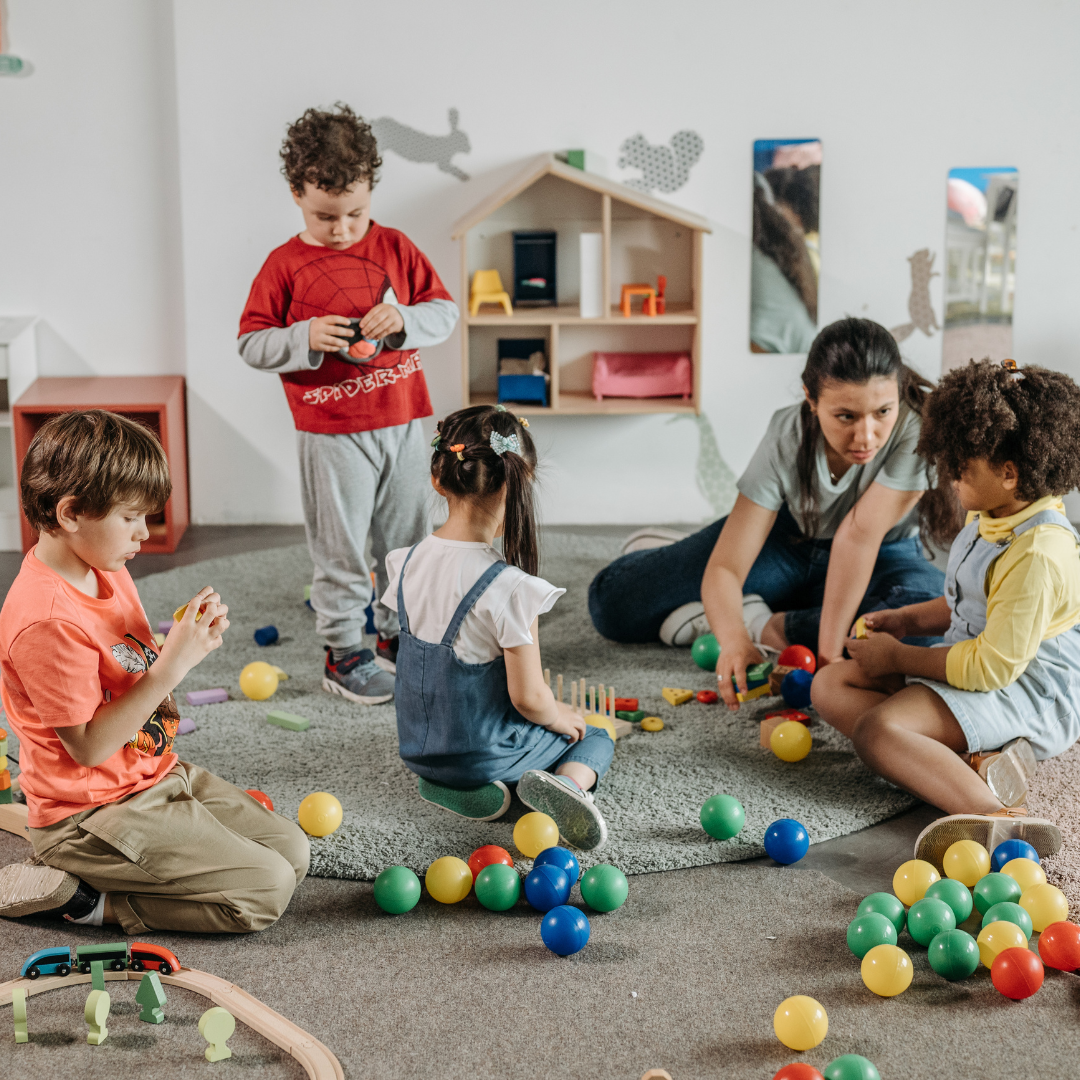
Playdates play a crucial role in a child’s development, offering opportunities for significant social interaction. Engaging with peers during playdates helps children develop essential social skills, emotional intelligence, and cognitive abilities. Through shared experiences, children learn to navigate relationships, express themselves, and understand the perspectives of others.
These interactions are vital for emotional development, fostering resilience and empathy as they learn to handle conflict and work collaboratively. Children who participate in regular playdates often show enhanced communication skills and better adaptability to various social settings.
In addition to social and emotional growth, playdates also promote cognitive development. When children engage in imaginative play and problem-solving activities with their peers, they expand their creativity and critical thinking. The benefits of playdates extend beyond mere fun; they lay the groundwork for lifelong skills in collaboration and understanding.
Understanding Playdates
Playdates serve as a crucial mechanism for children to build social skills and foster friendships. They can take various forms, each contributing differently to a child’s development.
Defining Playdates and Their Purpose
Playdates are informal gatherings where children engage in play, often at a friend’s home or a neutral venue. The primary purpose of playdates is to nurture social interactions, which are vital for emotional and social development.
They allow children to practice communication skills, learn about sharing, and understand conflict resolution. Regular playdates can aid in boosting a child’s confidence as they navigate different social situations. Engaging with peers teaches children to express their feelings and develop empathy.
Types of Playdates: Structured and Unstructured
Playdates can be classified into two categories: structured and unstructured.
Structured playdates have planned activities and rules, often guided by adults. These can include games, crafts, or sports, which provide an organised environment for learning specific skills. Children learn teamwork and cooperation through these structured activities.
Unstructured playdates, on the other hand, involve free play, where children decide how to engage with each other. This type of play encourages creativity and imagination, allowing children to explore their interests freely. While less predictable, unstructured play can lead to spontaneous friendships and help develop problem-solving skills. Each type offers unique benefits, essential for social development.
Social and Emotional Benefits
Playdates provide critical opportunities for children to develop essential social and emotional skills. Engaging with peers during these interactions enhances communication, fosters empathy, and encourages cooperative behaviours.
Developing Communication Skills
During playdates, children practise and refine their communication skills. They learn how to express their thoughts and feelings clearly, which is vital for effective interaction. Sharing ideas and negotiating play scenarios encourages verbal communication and enhances vocabulary.
Non-verbal cues, such as gestures and facial expressions, also become central to how they understand each other. This combination helps children articulate their needs while recognising those of their peers. By learning to listen actively, they improve their ability to engage in meaningful conversations.
Fostering Empathy and Emotional Intelligence
Empathy is a crucial aspect of social interaction, and playdates provide a unique platform for its development. Children observe and respond to their peers’ emotions, learning to recognise feelings such as joy, frustration, or sadness. This awareness builds a foundation for emotional intelligence.
Role-playing during games allows them to step into others’ shoes, fostering understanding and compassion. They cultivate skills in emotional regulation, learning to manage their feelings while navigating different social situations. As children begin to comprehend diverse perspectives, they build stronger, more empathetic relationships.
Learning to Share and Cooperate
Sharing toys and taking turns during playdates is fundamental for social development. These acts teach children the importance of cooperation in group settings. By engaging in activities that require collaboration, they develop problem-solving skills and learn to resolve conflicts amicably.
Playing together encourages the notion of teamwork, as children work towards common goals. This cooperation reinforces the idea that success often comes from working with others. Practising these skills consistently during playdates lays the groundwork for future social interactions in more complex environments.
Enhancing Cognitive and Academic Skills
Playdates significantly contribute to a child’s cognitive and academic development. Through engaging interactions and imaginative play, children enhance their creativity and problem-solving abilities while also improving their language skills.
Encouraging Creativity and Problem-Solving
During playdates, children often engage in imaginative scenarios that spark creativity. They create stories, build structures, or invent games, all of which encourage divergent thinking. This type of play requires them to think outside the box and consider multiple perspectives.
As they navigate different roles and scenarios, they face challenges that foster problem-solving skills. For instance, if a tower they built collapses, they must evaluate why it happened and devise solutions to prevent it from occurring again. This iterative process strengthens their ability to approach problems methodically.
Language Development Through Social Interaction
Social interactions at playdates are critical for language development. When children communicate with peers, they learn to express themselves and develop vocabulary. Engaging in dialogue about their ideas or opinions promotes language skills, especially when they describe their thoughts during play.
They also learn to listen and respond appropriately, which enhances comprehension skills. Words used during play, from simple descriptions to complex interactions, contribute to their understanding of language in context. This dynamic environment encourages them to practise new words and phrases in a meaningful way, thereby enriching their language experience.
Optimising Playdate Success
Successful playdates can significantly enhance children’s social development. Thoughtful planning around diversity, supervision, and activity selection creates an environment where children can thrive socially and emotionally.
The Role of Diversity and Inclusion
Incorporating diversity and inclusion during playdates fosters a richer social experience. When children interact with peers from various backgrounds, they develop empathy and understanding. Exposure to different cultures, abilities, and interests broadens their perspectives.
Encouraging inclusive games promotes teamwork, as children learn to collaborate with others who have different skills. This engagement is crucial in developing self-esteem and confidence, especially in early childhood. Creating an environment where every child feels valued nurtures positive interactions, contributing to social competence.
Importance of Supervision and Clear Rules
Effective supervision is vital to maintaining a safe and constructive playdate. Adults can guide interactions, ensuring that children communicate and resolve conflicts. Establishing clear rules promotes fairness and reduces misunderstandings.
Children benefit from structured guidance, leading to healthier social dynamics. Supervision also allows adults to model positive behaviours, reinforcing the importance of empathy and cooperation. Through careful monitoring, parents can intervene promptly, helping children learn from their experiences without escalating conflicts.
Selecting Age-Appropriate Activities
Choosing age-appropriate activities is crucial for maximising playdate success. Activities should resonate with the interests and abilities of the age group involved. For instance, elementary school children may enjoy cooperative games that enhance teamwork and communication skills.
Activities like board games or group sports can foster independent play as well as cooperation. Variations should be provided to accommodate different comfort levels, ensuring every child can participate. This thoughtful selection promotes engagement, allowing children to build confidence and enjoy successful social interactions.