
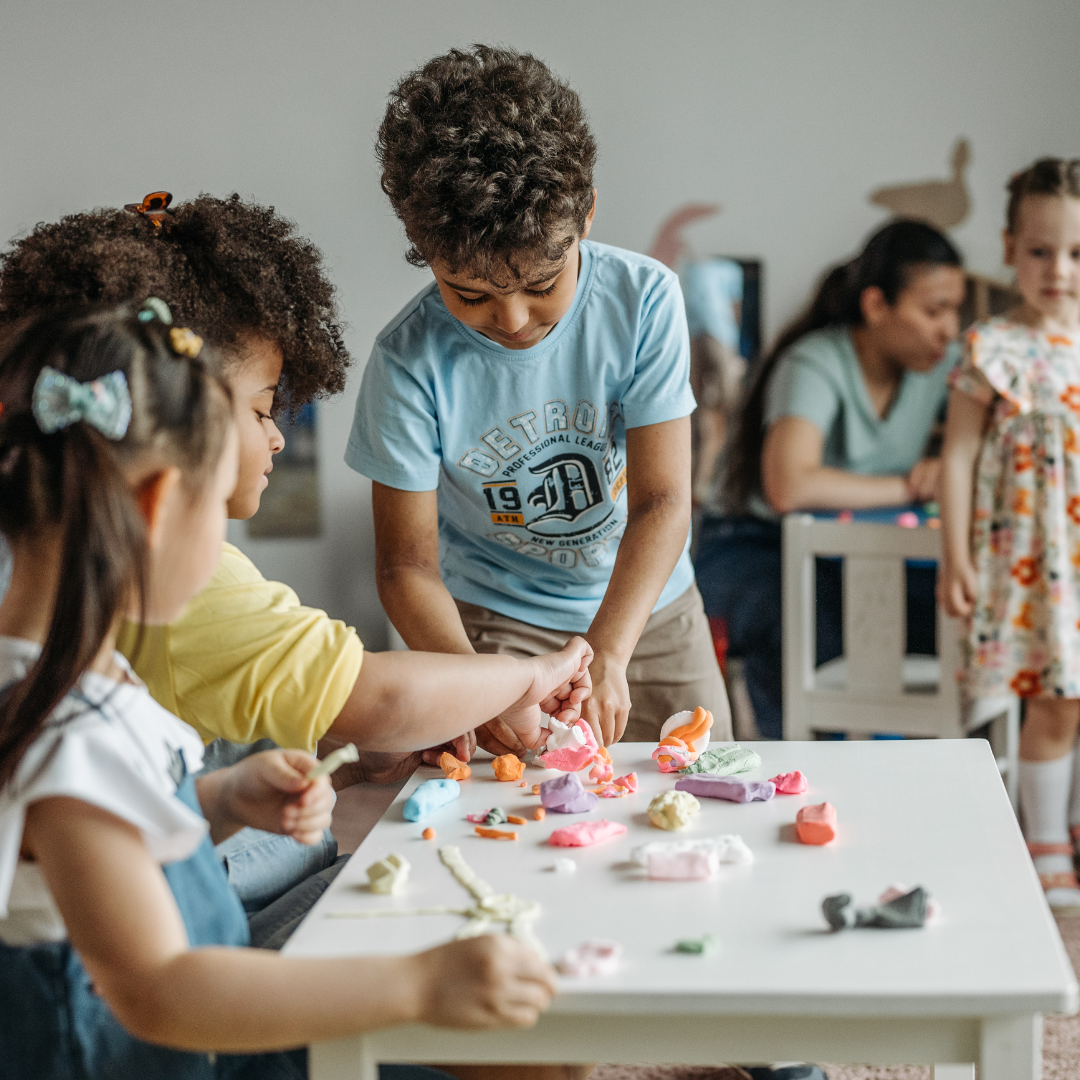
Play is a fundamental aspect of childhood that significantly influences development. Engaging in play allows children to explore their environment, develop social skills, and foster creativity, all of which are vital for holistic growth. Through various forms of play, children learn to navigate challenges, collaborate with peers, and express their emotions effectively.
The importance of play extends beyond mere enjoyment; it is crucial for cognitive and physical development as well. Participating in structured and unstructured play encourages problem-solving abilities, coordination, and resilience. Each play experience contributes to building a strong foundation for future learning and interpersonal relationships.
Understanding the role play has in shaping a child’s life is essential for parents, educators, and caregivers. By recognising its importance, adults can create nurturing environments that prioritise play, ultimately supporting children in becoming well-rounded individuals.
Fundamentals of Play in Childhood Development
Play is an essential component of childhood development, promoting cognitive, social, and emotional growth. Engaging in various forms of play helps children learn about their environment and develop critical skills necessary for future success.
Defining Play and Its Importance
Play can be defined as any activity that is freely chosen, enjoyable, and intrinsically motivated. It serves a fundamental role in children’s development, providing opportunities for exploration and creativity. During play, children practice skills such as problem-solving and social interaction.
The importance of play extends to emotional well-being as well. It allows for the expression of feelings, facilitating better emotional regulation. Research indicates that children who engage in regular play exhibit enhanced creativity, improved academic performance, and stronger social connections.
Stages of Play in Early Childhood
The stages of play categorise how children engage with their environment and peers as they grow. These stages generally include solitary play, parallel play, associative play, and cooperative play.
- Solitary play is typical in younger children, where they play independently.
- Parallel play occurs when children play alongside others without direct interaction.
- Associative play marks the beginning of interaction with peers, where children share materials but maintain individual focus.
- Cooperative play embodies teamwork, with children working together towards a shared goal.
Understanding these stages aids caregivers in providing appropriate play opportunities that match developmental levels.
Types of Play: Guided and Unstructured
Play can be divided into guided and unstructured types, each offering unique benefits.
Guided play involves adults facilitating the play experience, often with specific goals in mind. This method can lead to targeted learning outcomes. For example, a parent might introduce mathematical concepts through building blocks, fostering both play and educational gain.
Unstructured play, often termed free play, allows children to explore their interests without direct adult involvement. This form of play encourages creativity and independence. Children choose how to engage with materials and peers, leading to spontaneous learning experiences.
Both forms of play are integral to childhood development, fostering essential life skills. Balancing guided and unstructured play optimises developmental outcomes, supporting holistic growth.
Cognitive and Academic Advancements
Play significantly impacts a child’s cognitive development and academic readiness. Through various forms of play, children enhance problem-solving abilities, improve language skills, and foster academic success.
Cognitive Development and Problem-Solving Skills
Engaging in play encourages cognitive growth by challenging children to think critically and creatively. Activities such as building blocks, puzzles, and role-playing require them to strategise and adapt to new situations.
This hands-on experience promotes key problem-solving skills. Children learn to analyse problems, experiment with solutions, and evaluate outcomes. Research shows that regular play stimulates brain development, enhancing cognitive skills that are foundational for later learning.
Influence of Play on Academic Success
Play prepares children for academic settings by promoting essential skills. Cooperative games teach teamwork and social skills, while structured play encourages self-discipline and following instructions.
Children who engage in diverse play experiences demonstrate improved attention spans and focus, which are critical for school readiness. Studies indicate that kids who participate in play-based learning show higher levels of academic achievement as they advance through educational stages.
Language Development and Play
Language skills develop significantly during play activities. Children communicate with peers, negotiate roles, and express ideas, all of which enrich their vocabulary.
Interactive play, such as storytelling or dramatic play, enhances language comprehension and expression. Frequent exposure to varied contexts during play helps children master different communication styles, making them more effective in social situations. This linguistic development is crucial for academic success, as strong language skills are linked to better reading and writing abilities.
Social and Emotional Growth through Play
Play serves as a critical foundation for children’s social and emotional development. Through various forms of play, children engage with peers, enhancing their social skills while also fostering emotional intelligence and self-regulation.
Developing Social Skills via Peer Interactions
Peer interactions during play offer opportunities for children to develop essential social skills. During activities such as sociodramatic play, children learn to cooperate, share, and resolve conflicts. These experiences are pivotal in nurturing prosocial behaviour.
As children engage with one another, they practise language skills, allowing them to express their thoughts and feelings effectively. This interaction aids them in understanding social cues, which is vital for building relationships. Additionally, successful peer engagement enhances their confidence and prepares them for future social situations.
Emotional Intelligence and Self-Regulation
Play also plays a significant role in developing emotional intelligence. Through interacting in diverse scenarios, children learn to identify and manage their emotions. This process of emotional learning is crucial for helping them understand feelings in themselves and others.
Moreover, play promotes self-regulation. When children navigate different roles and outcomes in play scenarios, they practise controlling their impulses and responding appropriately to various social contexts. These skills contribute to their emotional growth, equipping them with tools to handle real-life challenges effectively.
Integrating Play into Education and Developmental Support
Play serves as a crucial component in children’s education and developmental support. It fosters creativity, learning readiness, and social skills, while also addressing challenges faced by children in various circumstances.
The Role of Educational Institutions and Play
Educational institutions can integrate play effectively into their curricula to enhance learning outcomes. Schools can create environments where play is valued alongside academic goals. This can be achieved through structured playtime, which not only allows children to engage in creative play but also supports social interaction.
By incorporating play into daily routines, teachers help foster a sense of joy in learning. Institutions can utilise resources such as outdoor classrooms and play-based learning tools to create an optimal developmental milieu. The American Academy of Paediatrics advocates for play as integral to early childhood education, recognising its role in cognitive and emotional development.
Play-Based Learning Versus Academic Pressure
Balancing play-based learning and academic pressure is essential for optimal child development. While academic environments often prioritise formal education, research indicates that play-based approaches enhance engagement and retention. Children taught through play tend to develop better problem-solving skills and higher creativity.
It is important for educators to encourage exploration and discovery through play without imposing excessive academic pressure. This approach helps to support learning readiness and ensure that children do not feel overwhelmed, fostering a healthy attitude towards education and learning.
Supporting Children in Poverty Through Play
Children in poverty often face significant challenges that can hinder their development. Integrating play into developmental support for these children can provide a pathway to resilience and learning. Access to play opportunities can help reduce stress and offer a sense of normalcy.
Community programs can foster environments where play-based learning becomes accessible. These initiatives can include after-school programmes, playgrounds, and creative workshops aimed at engaging children in constructive play. By focusing on play, these programmes help build social skills and a sense of community, which are vital for their development.