
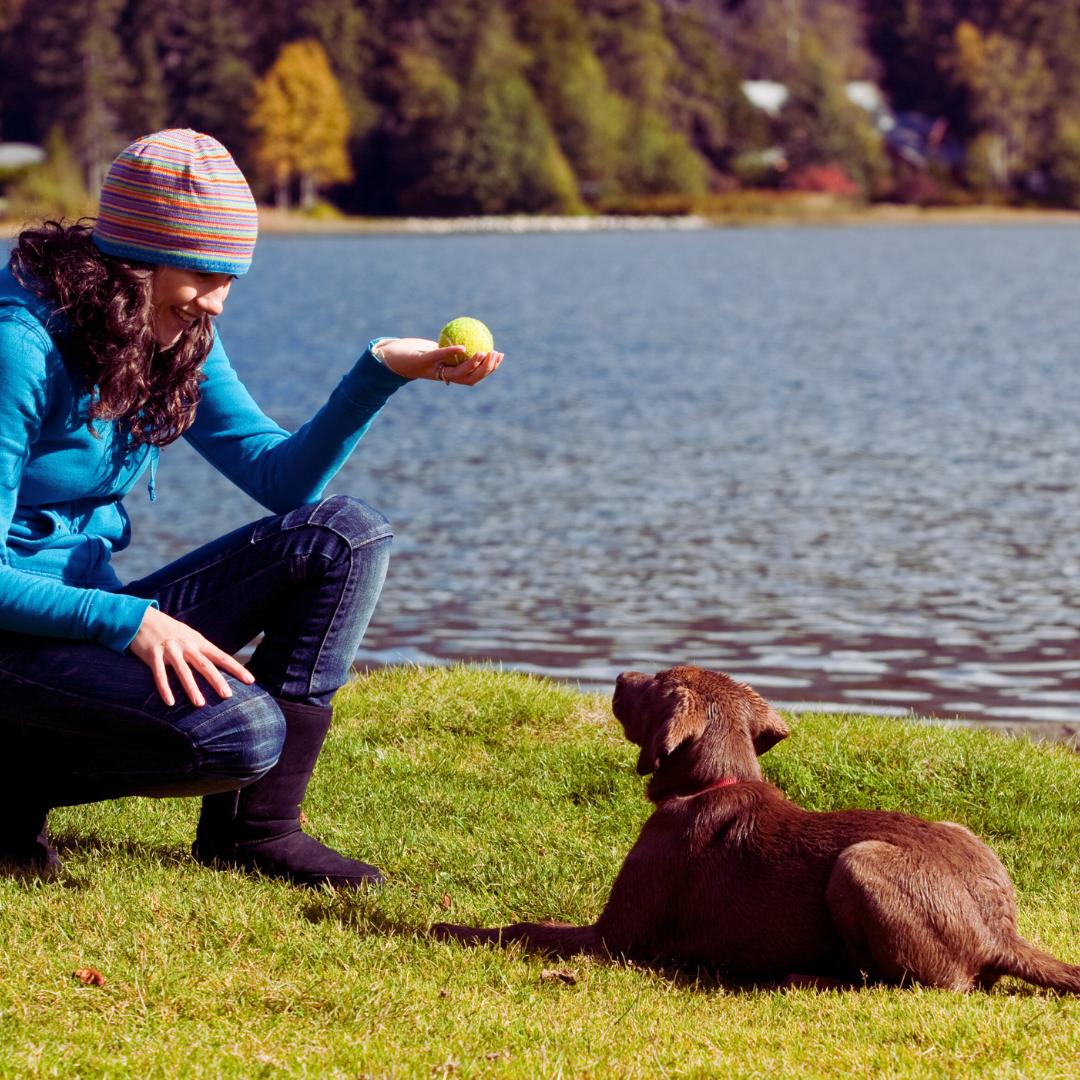
Training a puppy can be an exciting and rewarding experience. The key to successfully training a puppy lies in consistency, patience, and positive reinforcement. By establishing clear rules and using rewards to encourage good behaviour, owners can help their puppies learn essential commands and social skills.
Many new puppy owners may feel overwhelmed by the challenge of training their energetic companions. However, some puppies might have already undergone initial training from their breeding homes, making further training process easier for the owners. This tends to be one of the advantages of choosing a responsible dog breeder when getting a fluffy companion. That said, it’s important to create a structured routine that incorporates playtime, training sessions, and social interaction when planning a training process. This not only aids in teaching commands but also helps the puppy bond with its owner.
With the right approach, training can be both effective and enjoyable. Understanding the puppy’s needs and behavior will foster a positive learning environment, leading to a well-behaved dog.
Preparing for Puppy Training
Proper preparation sets the foundation for effective puppy training. But, before diving into training, it’s important to keep the puppy well-fed, groomed, and clean. A happy and well-cared-for pup is more likely to be attentive and responsive during training sessions. For quality pet food and other essentials, companies like PetShack hk or similar stores elsewhere can be great places to find everything needed.
When selecting a puppy, knowing how they were raised can make training and socialisation much smoother. Family-raised litters that receive early exposure to household sounds, handling and basic routines tend to adapt faster to crate work and potty training. For those considering a Mini Bernedoodle, reputable breeders often publish details about each litter and offer visit scheduling—resources like Serenity Hill Puppies outline nursery visit procedures and list recent litters with birth and availability dates to help owners plan. Observing a pup in a home environment gives clearer insight into temperament and early social experiences, which directly impacts training success.
When it comes to key aspects of puppy training, they include crate training, setting up a potty training routine, and understanding the importance of socialization.
Understanding the Importance of Crate Training
Crate training offers numerous benefits for both the puppy and the owner. It provides a safe, secure space for the puppy, reducing anxiety when left alone. Crates also assist with housetraining by encouraging the puppy to hold its bladder.
The crate should be introduced positively. The puppy learns to associate it with comfort and safety. A suitable-sized crate allows the puppy to stand, turn around, and lie down comfortably. Owners should avoid using the crate as punishment, as this can lead to fear and reluctance to enter.
Establishing a Routine for Potty Training
Potty training requires consistency and patience. Establishing a routine helps the puppy learn when and where to relieve itself. Take the puppy outside frequently, especially after eating, drinking, or playing.
Using specific commands, such as “go potty,” can aid in creating a clear association. Owners should reward the puppy immediately after it eliminates outside to reinforce positive behaviour. Accidents may happen; avoiding punishment is crucial, as it can confuse the puppy and hinder progress.
Socialisation and Its Impact on Puppy Behaviour
Socialisation during the critical socialisation period is vital for a well-adjusted adult dog. Introducing the puppy to various environments, sounds, and people broadens its experience and reduces fearfulness.
Organising playdates with other vaccinated dogs helps develop social skills. Exposing the puppy to different settings, such as parks and busy streets, builds confidence. It is essential to ensure all interactions are positive to foster a good attitude towards new experiences. Proper socialisation efforts lead to a well-behaved, adaptable dog.
Many owners find that group settings are a good way to practice these social skills. Local classes give owners a controlled space where dogs can meet others under professional supervision. Looking for puppy training Sunderland, or elsewhere, can help find experts who understand these early developmental stages.
These sessions often focus on bite inhibition and basic commands like sit or stay. Working with a trainer in person allows for getting immediate feedback on the technique. This hands-on approach makes a big difference in how quickly a young dog learns.
Core Training Techniques
Effective puppy training relies on fundamental techniques that promote good behaviour and learning. These methods focus on positive reinforcement, effective communication, and essential commands.
Positive Reinforcement Training Methods
Positive reinforcement is a widely accepted technique in dog training. This approach encourages desired behaviours by rewarding the puppy with treats, praise, or play.
For effective training sessions, rewards should be immediate and consistent. Successful reinforcement helps the puppy associate the behaviour with positive outcomes.
Basic commands like “sit,” “stay,” and “come” can be taught using this method.
It is crucial to keep training sessions short, around 5 to 10 minutes, to maintain the puppy’s interest and focus. Regular practice solidifies lessons and builds a trusting relationship.
Utilising Clicker Training for Effective Learning
Clicker training is an effective tool in puppy training that relies on a distinct sound to mark the desired behaviour. A clicker helps the puppy understand exactly what action is being rewarded.
To start, the trainer clicks immediately when the puppy performs the desired behaviour, followed by a reward. This method clarifies the connection between actions and rewards, supporting faster learning.
Clicker training works well for teaching basic commands and advanced tricks. It encourages focus and engagement during training sessions, making learning enjoyable for both the puppy and the trainer.
Building Recall and Basic Obedience Skills
Teaching recall is vital for a puppy’s safety and control. Start by using a specific command, such as “come,” paired with positive reinforcement.
Begin these training sessions in a distraction-free environment. Gradually introduce more challenges as the puppy improves.
Incorporating basic obedience skills, such as “sit,” “down,” and “stay,” forms a foundation for good behaviour. Regular practice ensures these commands become second nature.
Puppies should consistently receive rewards for obeying commands. This reinforces their understanding and motivation.
Advanced Puppy Training Topics
Advanced training focuses on key areas such as impulse control and addressing separation anxiety. These skills enhance a puppy’s behaviour, leading to a well-adjusted adult dog.
Developing Impulse Control and Good Manners
Impulse control is critical for a puppy’s development. Training should start with basic commands like “sit” or “stay.” Reinforcing these commands can help a puppy learn to think before acting.
Implementing the “leave it” command teaches puppies to resist immediate temptations. Use treats placed beneath a container to encourage patience. Reward the puppy when it waits and does not grab the treat.
Good manners extend beyond basic commands. Socialisation is equally essential. Puppy playdates or classes expose them to other dogs and people, allowing them to learn appropriate behaviours. Positive reinforcement during these interactions cultivates polite behaviour, making outings more enjoyable.
Overcoming Separation Anxiety through Training
Separation anxiety can adversely affect a puppy’s behaviour and overall well-being. Training should aim to create a positive association with being alone.
Start with short departures. Leave the puppy for a few minutes before gradually increasing the time. This helps them acclimatise to separation.
Establish a calm routine when departing and returning home. Avoid emotional goodbyes as they can heighten anxiety. Instead, provide engaging toys or puzzle feeders to occupy their time.
Another strategy involves crate training. A crate can provide a safe space where the puppy feels secure. Make the crate inviting with bedding and toys, associating it with comfort instead of confinement.
Incorporating these methods into training routines fosters confidence and reduces anxiety for puppies.