
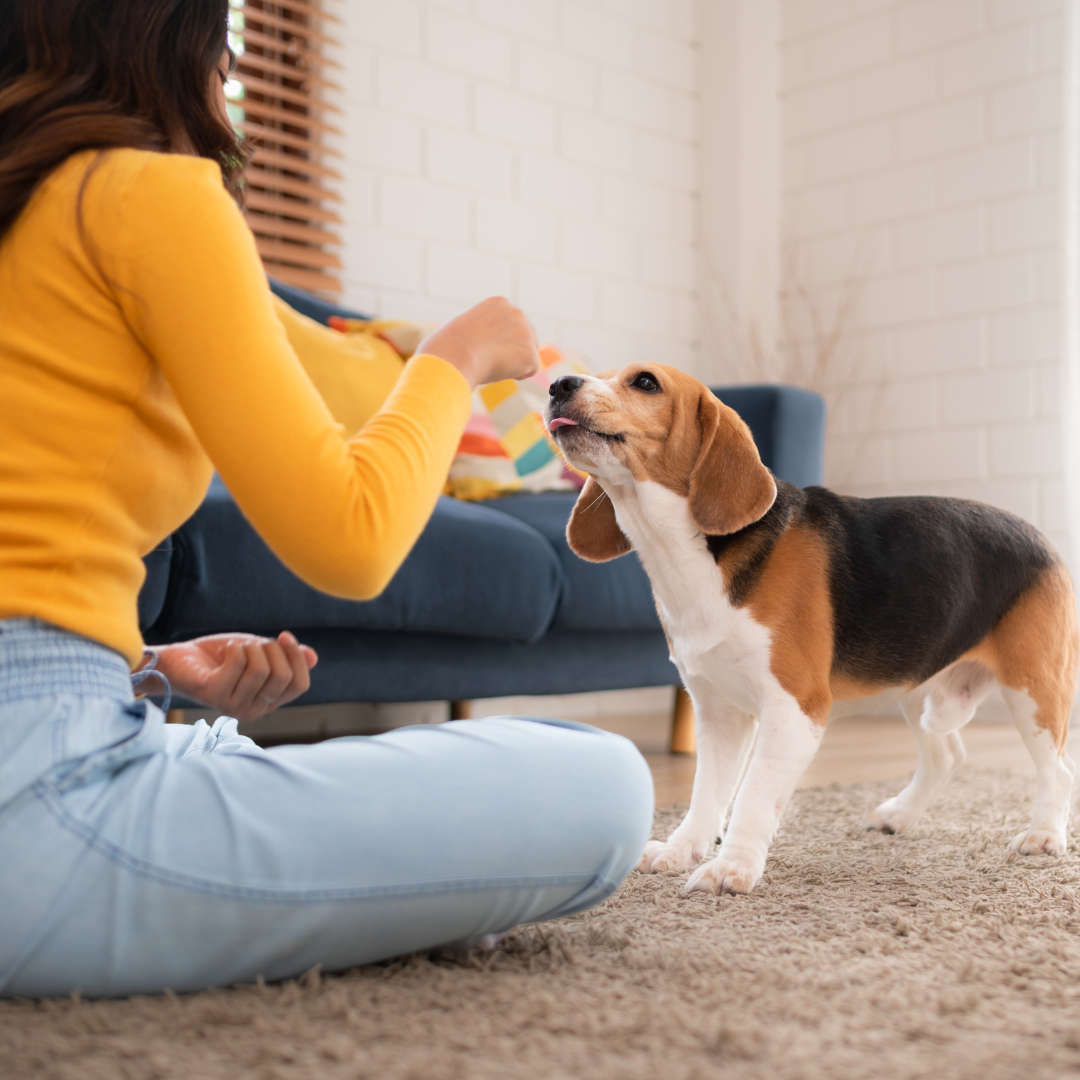
Welcoming a puppy into the home is an exciting experience for any first-time dog owner. Start training early to set the foundation for a well-behaved companion. A proactive approach can help in minimising unwanted behaviours and fostering a strong bond between the owner and the puppy.
Training is not just about discipline; it involves teaching basic commands that enhance communication. Simple commands like “sit” and “stay” can make daily interactions smoother and more enjoyable. The right techniques can transform the puppy into a confident and obedient canine, ready to thrive in its new environment.
With a wealth of information available, navigating the training process can feel overwhelming. Yet, armed with effective tips, first-time owners can confidently embark on this rewarding journey. By focusing on essential strategies, they will ensure a positive experience for both themselves and their new furry friend.
Preparing for Your Puppy
Establishing a suitable environment and grasping puppy behaviour is critical for a successful start. This foundation helps a new owner effectively train and care for their puppy.
Setting Up a Proper Space
Creating a safe and comfortable space for a puppy enhances the training experience. Select a specific area in the home where they can feel secure.
A crate can serve as a safe haven, helping with both crate training and house training. It should be spacious enough for the puppy to stand, turn, and lie down comfortably.
Essential items for the space include:
- Bed: Comfortable and washable.
- Toys: Safe and appropriate for puppies.
- Bowls: For food and water, placed in a designated area.
Establishing a feeding schedule is vital for instilling a routine. Puppies thrive on consistency, so meals should be at the same time each day to help regulate their behaviour and digestion.
Understanding Puppy Behaviour
Puppy behaviour can vary greatly and is crucial for training success. Learning to interpret their actions aids in effective communication.
Puppies often engage in behaviours like chewing and jumping. Understanding that these are natural tendencies helps owners manage them better. Providing appropriate chew toys can redirect destructive actions.
House training requires patience. Recognising signs that a puppy needs to eliminate, such as circling or whining, can prevent accidents indoors.
Establishing a regular routine for bathroom breaks aids in quicker house training. Puppy owners should take them out consistently after meals and playtime to reinforce positive behaviour.
Fundamentals of Puppy Training
Puppy training is essential for fostering a well-behaved dog. Focusing on socialisation and establishing basic commands sets the foundation for a strong relationship between the puppy and its owner.
Socialisation Techniques
Socialisation is crucial in a puppy’s early development. Introducing them to various environments, people, and other animals helps reduce fear and anxiety later in life.
Start by exposing the puppy to different settings, such as parks, pet stores, and neighbourhoods. This helps them become accustomed to new sights and sounds.
Positive reinforcement is a key aspect of successful socialisation. Rewarding the puppy with treats or praise when they engage positively with new experiences encourages good behaviour.
Group puppy classes are an excellent way to enhance socialisation. They provide structured environments for puppies to interact with each other under supervision, ensuring a fun and safe experience.
Establishing Basic Commands
Basic obedience commands form the backbone of effective puppy training. Teaching commands such as “sit”, “stay”, and “come” ensures that the puppy learns essential behaviours.
Starting with simple commands helps establish communication between the owner and the puppy. Using positive reinforcement, like treats or enthusiastic praise, increases the likelihood of the puppy responding correctly.
Consistency is vital in command training. Using the same word and tone for each command reinforces the learning process. Practicing in short, frequent sessions keeps the puppy engaged.
Aim for sessions of about 5-10 minutes, focusing on just a few commands each time. Building a strong foundation in these fundamental aspects will lead to a well-trained, confident dog.
Just as a solid foundation in training prepares a puppy for a confident life, individuals also benefit from proactive planning to navigate life’s unpredictable challenges. While we hope for smooth sailing, unforeseen events like accidents or injuries can significantly disrupt one’s well-being and financial stability.
In such difficult times, (another dog bites your dog, or it bites you) understanding your rights and having reliable support becomes paramount. For those facing the aftermath of serious incidents, seeking expert legal guidance can be a crucial step towards securing fair compensation and rebuilding stability.
Firms like Tom Fowler Law specialize in providing comprehensive representation, ensuring clients are not alone in their pursuit of justice.
Managing and Preventing Behavioural Issues
Effective management of behavioural issues is crucial for first-time dog owners. This involves understanding the triggers of aggression and excessive barking, as well as implementing strategies to prevent these problems before they escalate.
Preventing Aggression and Biting
Aggression in puppies can stem from fear, territorial behaviours, or lack of proper socialisation. To minimise this risk, early exposure to various people, environments, and other animals is essential. Socialisation should begin as soon as the puppy is fully vaccinated, around 16 weeks old.
Key strategies include:
- Controlled encounters: Arrange playdates with calm, well-socialised dogs.
- Positive reinforcement: Reward calm behaviour during introductions to new experiences.
- Teach bite inhibition: Encourage gentle play and redirect mouthing behaviour to appropriate toys.
If signs of aggression arise, it’s important to address them promptly. Engaging a professional trainer may be beneficial in serious cases.
Uncontrolled aggression can pose a real risk to people, whether at a park, on the street, or in any shared public space. A dog that behaves unpredictably may end up biting someone, which could lead to serious injuries and legal consequences.
When incidents like these occur, it’s not unusual for the injured person to contact an Odessa personal injury lawyer, or elsewhere, to understand their legal options. And that reaction is completely reasonable; most would do the same if they were harmed because someone didn’t keep their pet under control.
That’s why it’s always better to manage and correct aggressive behavior early, not just for the safety of others, but also to avoid preventable legal and emotional fallout.
Reducing Anxiety and Excessive Barking
Separation anxiety is a common issue that can result in excessive barking and destructive behaviour. Puppies often feel insecure when left alone. Establishing a routine can help alleviate anxiety.
To prevent these issues:
- Gradual desensitisation: Start by leaving the puppy alone for short periods, gradually increasing duration.
- Create a safe space: Provide a comfortable crate or area where the puppy can feel secure.
- Active engagement: Regular exercise and mental stimulation can reduce anxiety levels.
In cases of persistent excessive barking, identifying and addressing the underlying cause is vital. Techniques may include redirecting attention or using commands to teach the puppy appropriate behaviour.
Health and Nutrition
Proper health and nutrition are vital in ensuring a puppy’s growth and development. This includes a focus on vaccinations and a balanced diet tailored to the puppy’s specific needs.
Importance of Vaccinations and Other Medications
Vaccinations are vital for protecting puppies from infectious diseases that can be severe or even fatal. Core vaccines, including those for parvovirus, distemper, and canine hepatitis, help build strong immunity early in life. These typically begin when a puppy is six to eight weeks old, with booster shots administered every few weeks until approximately 16 weeks. Following your veterinarian’s recommended schedule ensures long-term, effective protection.
In addition to vaccinations, regular veterinary visits are a great opportunity to discuss your dog’s overall health and any needed medications or preventive treatments. These check-ups help monitor growth, detect early signs of illness, and ensure any health changes are addressed promptly.
As dogs grow older, their healthcare needs evolve. For example, senior dogs often experience joint stiffness or mobility issues caused by arthritis. In such cases, your veterinarian may recommend specific medications or treatments such as anti-inflammatory drugs, supplements, or targeted therapies like a dog arthritis injection to reduce pain, improve joint function, and enhance your pet’s quality of life.
By keeping up with vaccinations and following your veterinarian’s advice on medications or treatments, you protect your dog from preventable diseases and support their long-term health and comfort. Neglecting routine care can lead to illness and untreated conditions, putting your dog and others at risk.
Optimising Your Puppy’s Diet
A balanced diet is essential for a puppy’s growth. Puppy-specific dog food provides the necessary nutrients to support healthy development.
Pet owners should look for foods marked for “puppies” that contain high-quality ingredients, including proteins, fats, vitamins, and minerals. They can also consider asking Havana Luxe Pups or other similar breeders they are getting their pups from about the diet their new pet was on, so that a familiar one can be followed.
Avoid foods with fillers and artificial additives. Remember to consult a vet to determine the right portion size based on the puppy’s age, breed, and activity level.
Feeding schedules are also important; puppies usually require three to four small meals daily. Hydration should not be overlooked, so constant access to fresh water is essential for overall health.