
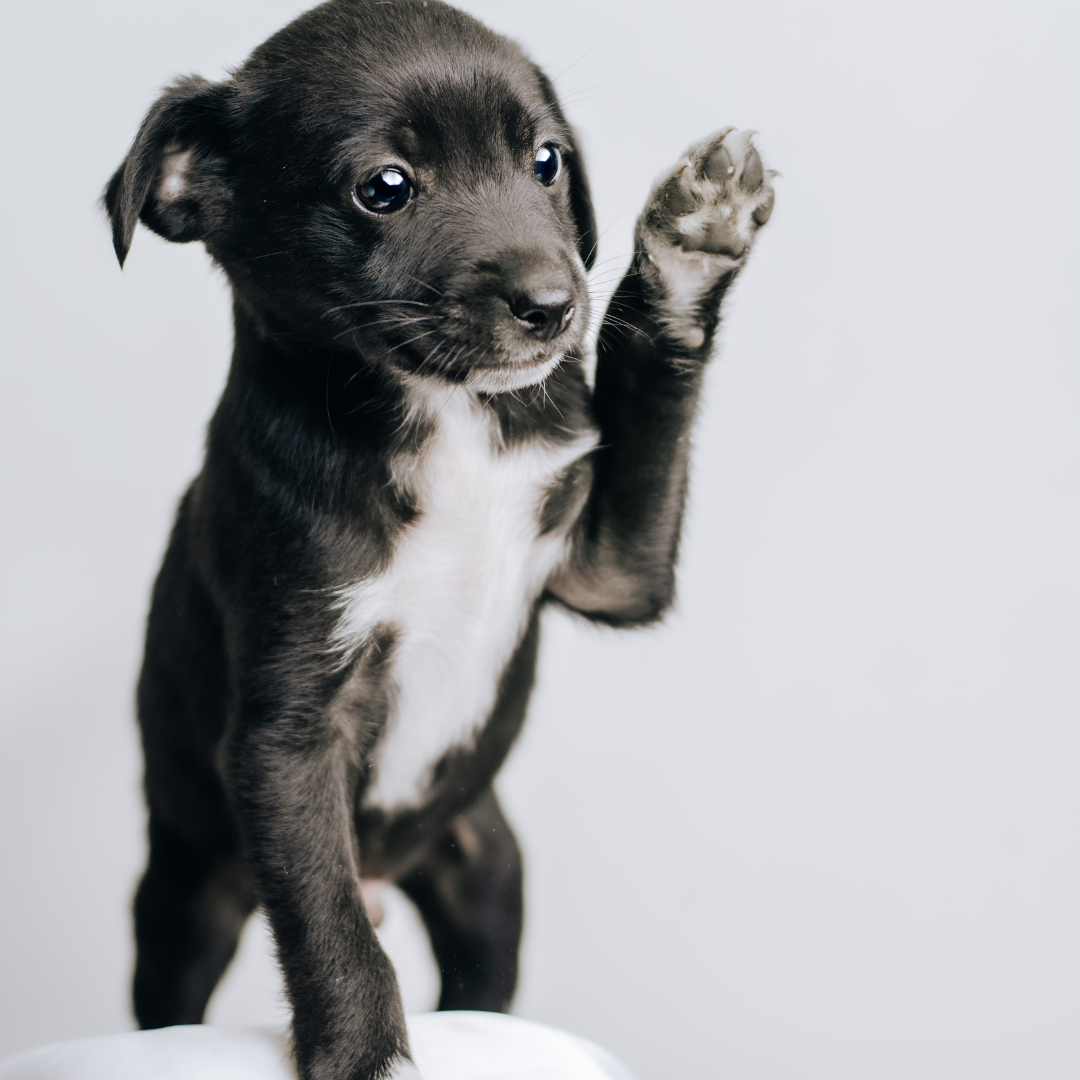
Crate training a puppy can be a transformative experience for both the pet and its owner. The key to successful crate training lies in creating a positive association with the crate, ensuring that the puppy views it as a safe and comfortable space. By establishing routines and using rewards effectively, the process can become a seamless part of daily life.
Many owners may worry about how their puppy will adjust, but with patience and consistency, puppies often take crate training more swiftly than expected. Engaging in short training sessions and progressively increasing the time spent in the crate helps the puppy learn to relax and feel secure within it.
Incorporating techniques such as using toys or treats can greatly enhance the process. Setting up a welcoming environment in the crate will encourage the puppy to stay calm and enjoy their space, making it a valuable tool for house training and providing a safe retreat.
Selecting the Right Dog Crate
Choosing the correct dog crate is essential for successful crate training. Key factors include understanding the sizes and types of crates, along with ensuring comfort for the puppy.
Understanding Crate Sizes and Types
When selecting a crate, size is critical. A crate should be spacious enough for the puppy to stand, turn around, and lie down comfortably. Measuring the puppy’s height and length offers a starting point.
Different types of crates serve various purposes. Wire crates provide ventilation and visibility, making them suitable for training. Plastic crates offer a more enclosed space for travel or den-like comfort. Soft-sided crates are lightweight and portable, great for temporary use or travel.
Selecting the right size and type significantly influences a puppy’s acceptance of the crate.
The Importance of the Correct Crate for Comfort
Comfort in a crate can affect a puppy’s feelings towards it. Puppies should associate the crate with safety and relaxation. This can be achieved through bedding, toys, and the right environment.
Choosing the appropriate material also impacts comfort. Wire crates can be accessorised with blankets or mats. In contrast, plastic crates often come with built-in partitions that help to adjust space as a puppy grows.
Creating a calming atmosphere inside the crate encourages a positive experience. It is crucial to avoid making the crate a punishment area, ensuring it remains a safe retreat for the puppy.
The Fundamentals of Crate Training
Creating a positive and effective crate training experience is essential for both the puppy and the owner. Understanding the steps to establish this training effectively will lead to a smoother transition for the puppy.
Creating Positive Associations with the Crate
To foster positive associations, it is crucial to make the crate an inviting space. Start by placing the crate in a familiar area where the puppy feels comfortable.
Add familiar items like blankets, toys, or clothing to cushion the space. Encouraging the puppy to explore the crate on their own terms is essential.
Using treats can significantly help; toss a few inside to entice the puppy. Gradually, the puppy will begin to associate the crate with safety and rewards. Avoid forcing the puppy inside, as this can create anxiety. Instead, ensure that every crate experience is positive to promote a sense of security.
Introducing Your Puppy to the Crate
Once the puppy shows curiosity about the crate, it’s time to begin introductions. Start leaving the crate door open while encouraging the puppy to enter and exit freely.
When the puppy goes inside, offer praise or a treat. Gradually increase crate time, starting with short periods.
Always stay nearby at first to ease any anxiety. After a few successful sessions, begin closing the door for brief moments, gradually increasing the duration.
Monitor the puppy’s behaviour during this period. An occasional whine or bark can be normal, but excessive distress should be addressed promptly. Reinforcing calm behaviour with treats can be beneficial.
Crate Time Guidelines
Establishing a consistent routine is vital for crate training success. Puppies thrive on structure, so setting specific times for crate use helps them understand expectations.
As a general guideline, a puppy should not spend more than 3-4 hours in the crate at a time. Puppies under six months may require more frequent breaks.
Always take the puppy outside for a toilet break before crating. Ensure that the crate is spacious enough for the puppy to stand, turn around, and lie down comfortably.
If the puppy becomes anxious during crate time, consider reducing the duration and gradually building up again. Regular and positive crate experiences will promote a successful training process.
Addressing Separation Anxiety and Behavioural Issues
Separation anxiety can significantly impact a puppy’s ability to adapt to crate training. Managing these issues effectively involves specific strategies and tools to create a positive training environment.
Managing Separation Anxiety During Training
Separation anxiety arises when a puppy feels distressed when left alone. Recognising signs such as excessive barking, whining, or destructive behaviour is crucial for addressing these concerns early.
To help alleviate anxiety, gradual desensitisation is effective. Start by leaving the puppy alone for short periods, gradually increasing the duration. This helps them adjust to being alone without feeling abandoned.
Using a consistent routine can also provide comfort. Scheduled feeding, playtime, and bathroom breaks help to create predictability. This structure can ease anxiety and reinforce positive behaviour.
Incorporating Training Aids and Treats
Training aids can significantly assist in easing anxiety during crate training. A Kong toy filled with treats can keep a puppy occupied and distracted, making the crate a positive space.
Dog treats can be used as rewards when the puppy enters the crate voluntarily. This reinforces the idea that the crate is a safe area associated with good experiences.
Additionally, consider using calming products like pheromone sprays or diffusers to create a soothing environment. These products may help reduce stress levels during training.
Combining these strategies can lead to a more successful crate training experience, ultimately benefiting both the puppy and the owner.
Advanced Crate Training Concepts
These advanced concepts help reinforce a puppy’s comfort with the crate and support potty training efforts. Implementing these strategies can provide a smoother training experience.
Leaving the Room and Extended Crate Time
Gradually increasing the time a puppy spends in the crate can aid in developing independence. Start with short periods while leaving the room. This helps the puppy learn that being alone is acceptable.
Steps to Follow:
- Begin with a few minutes while staying nearby.
- Gradually increase the duration, stepping away briefly.
- Use calming phrases before leaving, avoiding emotional farewells.
During this training, providing chew toys can keep the puppy occupied, reducing anxiety. Care should be taken to ensure the toy is safe and suitable for the puppy’s age and size. Monitor behaviour to ensure the time in the crate remains positive.
Integrating Crate Training with Potty Training
Integrating crate training with potty training promotes a structured routine. Puppies instinctively avoid soiling their sleeping area, making the crate a powerful tool.
Key Considerations:
- Take the puppy outside regularly, especially after meals and playtime.
- Watch for signs such as pacing or whining before taking them outside.
When moved to the crate, the puppy should be encouraged to stay calm. Offering praise and rewards for successful potty trips reinforces positive behaviour. This dual training approach can streamline the learning process and establish good habits early on.