
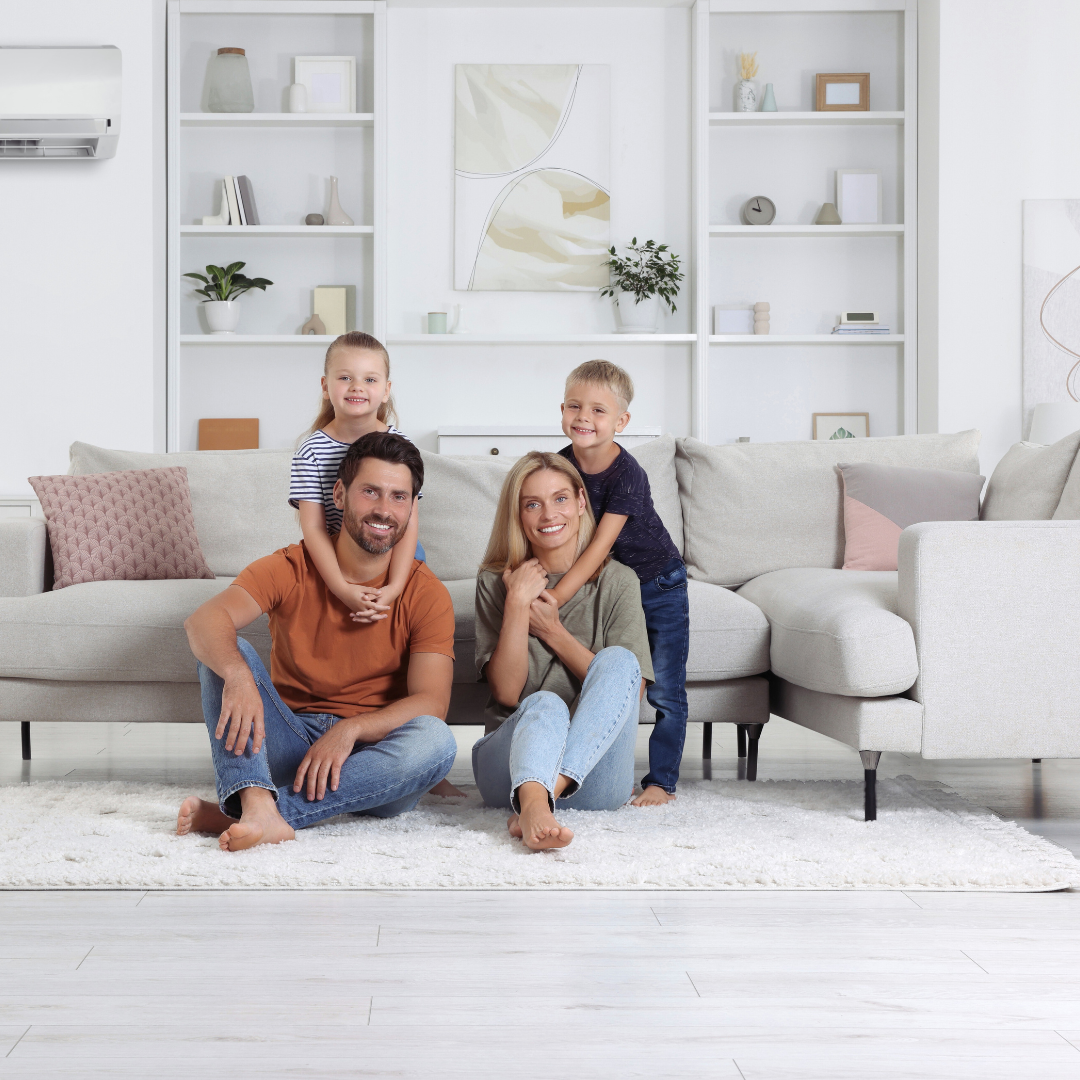
Creating a home that is stylish yet practical for families can be challenging. Effective family-friendly interior design combines durability, comfort, and ease of maintenance without sacrificing aesthetic appeal. The key is to choose materials and layouts that withstand daily wear while encouraging a welcoming atmosphere for everyone.
Functionality is at the heart of successful family homes, where clutter control and flexible spaces enhance everyday living. Design choices like washable fabrics, rounded furniture edges, and clever storage solutions help maintain order and safety. These elements ensure a home remains both attractive and livable over time.
The following ideas focus on balancing practicality with design, making homes safe and comfortable for adults and children alike. They demonstrate how thoughtful decisions can create inviting spaces that function well under the pressures of family life.
Key Principles of Family-Friendly Interior Design
A family-friendly home requires careful choices to blend durability, comfort, and versatility. It involves selecting materials and layouts that accommodate daily activities while protecting both the space and its users.
Balancing Style and Practicality
In a family-friendly home, style should not compromise functionality. Hard-wearing materials like leather or performance fabrics resist stains and wear, allowing furniture to stay attractive despite heavy use. Neutral colour palettes work well as they mask minor marks and dirt.
Furniture with rounded edges reduces the risk of injury while maintaining a sleek look. Storage solutions such as built-in cabinets or ottomans with hidden compartments keep clutter contained without sacrificing design. Choosing easy-to-clean surfaces in kitchens and play areas supports upkeep without sacrificing aesthetic appeal.
Creating Flexible, Adaptable Zones
Family living spaces should accommodate changing needs over time. Open-plan rooms with distinct but flexible zones allow for both gathering and personal space. For example, a corner can function as a quiet reading nook or a homework station.
Multipurpose furniture, like extendable tables or modular sofas, adapts to varying activities and family sizes. Clear pathways and well-planned layouts encourage safe movement and accessibility for all ages. Creating zones with defined flooring or rugs aids in visually separating functions without building permanent walls.
Safety Considerations for All Ages
A family-friendly home integrates safety features tailored to both young children and older adults. Securing furniture to walls prevents tipping hazards, especially in rooms where toddlers play.
Use cordless window coverings to eliminate strangulation risks. Non-slip rugs, cushioned flooring, and rounded furniture edges reduce injury chances during falls. Electrical outlets should be covered or placed out of reach, with cords managed neatly.
Fire alarms and first aid kits placed in accessible yet discreet locations enhance preparedness. Safety does not preclude style but requires thoughtful integration throughout the home.
Essential Furniture Choices for Family Spaces
Choosing furniture that balances durability, comfort, and practicality is vital in family areas. Pieces should support everyday activities while providing storage and safety features.
Selecting Multi-Functional Furniture
Multi-functional furniture maximises space and usability. For example, sofa beds offer seating by day and sleeping space by night, ideal for accommodating guests without extra rooms. Dining tables with extendable leaves adapt to varying family sizes and occasions.
Furniture with built-in storage, such as beds with drawers or coffee tables featuring shelves, reduces clutter. Materials like hardwood or metal frames often withstand heavy use better than delicate options, extending furniture’s lifespan.
When selecting multi-functional items, prioritise ease of transformation and comfort. Children should be able to use furniture safely and independently.
The Importance of Ottomans and Storage Solutions
Ottomans serve multiple purposes in family rooms. They function as footrests, extra seating, and storage units. Models with removable tops provide hidden storage for toys, blankets, or books, keeping spaces tidy.
Storage ottomans encourage organisation without sacrificing style. Vinyl or fabric upholstery with stain resistance is preferable to handle spills and frequent use.
Incorporating other storage solutions, like shelving units or baskets, complements ottomans. Accessible storage at child height promotes tidiness and teaches responsibility. Effective storage furniture supports a less cluttered, more functional environment.
Advantages of Soft, Rounded Furniture
Soft, rounded furniture enhances safety and comfort. Rounded edges reduce risks of injury from bumps, making them suitable for homes with toddlers or active children.
Upholstered chairs and sofas with thick cushioning offer a comfortable seating experience for all family members. Materials should be durable and easy to clean, such as performance fabrics or treated leather.
Rounded shapes also contribute to a welcoming atmosphere. They eliminate hard corners, which can cause discomfort or accidents in busy family spaces. Prioritising soft, rounded furniture improves both safety and relaxation.
Durable Materials and Easy-Care Finishes
Selecting materials that withstand daily use and remain easy to maintain is crucial for a family home. Durable textiles, surface finishes, and paint types contribute significantly to longevity and ease of cleaning.
Performance Fabrics for Everyday Life
Performance fabrics are engineered to resist stains, moisture, and wear, making them ideal for busy family spaces. These fabrics often feature a tight weave and protective coatings that repel liquids and prevent dirt absorption.
Common options include polyester blends, acrylics, and treated cottons. Fabrics such as Sunbrella are popular for their fade resistance and easy spot cleaning. Look for terms like “stain-resistant,” “water-repellent,” or “antimicrobial” when choosing upholstery.
Maintenance typically involves wiping spills promptly and occasional gentle vacuuming. Avoid harsh chemicals to preserve fabric treatments. Performance fabrics balance comfort and practicality, supporting the demands of everyday family life.
Choosing Hard-Wearing Surfaces
Hard-wearing surfaces help kitchens, dining, and play areas endure heavy use without significant damage. Materials like quartz, granite, and laminate offer durability and resistance to scratches and stains.
Quartz is non-porous, reducing the risk of bacteria and making it low-maintenance. Granite requires sealing but provides a robust surface for multiple activities. Laminate offers budget-friendly options with improved durability and easy repair.
When installing flooring, consider materials such as vinyl plank or engineered hardwood. These withstand foot traffic and spills better than traditional hardwood. Prioritise surfaces that combine toughness with an easy-clean finish.
Using Washable Paints for High-Traffic Areas
Washable paints simplify cleaning in hallways, playrooms, and kitchens, where walls are prone to fingerprints and marks. Look for paint rated as scrubbable or washable, typically acrylic latex formulations with higher durability.
These paints maintain colour and finish despite repeated cleaning with mild detergents and soft cloths. Matte or eggshell finishes offer a good balance by reducing shine while staying easy to wipe down.
Avoid oil-based paints in family areas due to yellowing and longer drying times. Use washable paints in layers to protect walls and keep spaces looking fresh with minimal effort.
Designing Organised and Inviting Family Areas
Family areas should balance functionality with comfort. They need practical storage, zones for activities, and welcoming elements that make everyone feel at home.
Creating a Family-Friendly Living Room
A family-friendly living room centres on durable materials and easy maintenance. Sofas with stain-resistant fabric and washable slipcovers reduce stress from spills. Rounded furniture edges improve safety, especially around toddlers.
Storage is essential. Built-in shelves and baskets keep toys and books organised, avoiding clutter. An anchor rug defines the seating area, adding warmth without compromising tidiness.
Lighting should be layered: overhead for general use, lamps for reading, and dimmable options for atmosphere. Clear pathways ensure children can move safely without obstacles.
Incorporating Play Areas Without Sacrificing Style
Play areas work best when clearly defined without dominating a room. Use low-profile storage cubes or colourful baskets to store toys attractively. A small table with chairs allows crafts and games in a dedicated spot.
Choose multipurpose furniture, such as ottomans with storage inside. Soft rugs create comfortable play surfaces while complementing the room’s colour scheme. Neutral tones paired with bright accents maintain style without chaos.
Safety matters: non-slip rugs and corner protectors reduce injury risks. Keep play materials within children’s easy reach to encourage independence and minimise mess.
Optimising Entryways with a Mudroom
Mudrooms manage clutter and outdoor gear efficiently. Hooks at varied heights hold coats and bags for adults and children. Closed storage units hide shoes and wet items, maintaining a tidy appearance.
Durable flooring like tiles or vinyl resists dirt and water. A bench with storage underneath offers a place to sit and store boots or sports equipment.
Labelled baskets or cubbies help family members know where their items belong, reducing lost belongings. Well-lit entry zones improve safety and make the space welcoming.